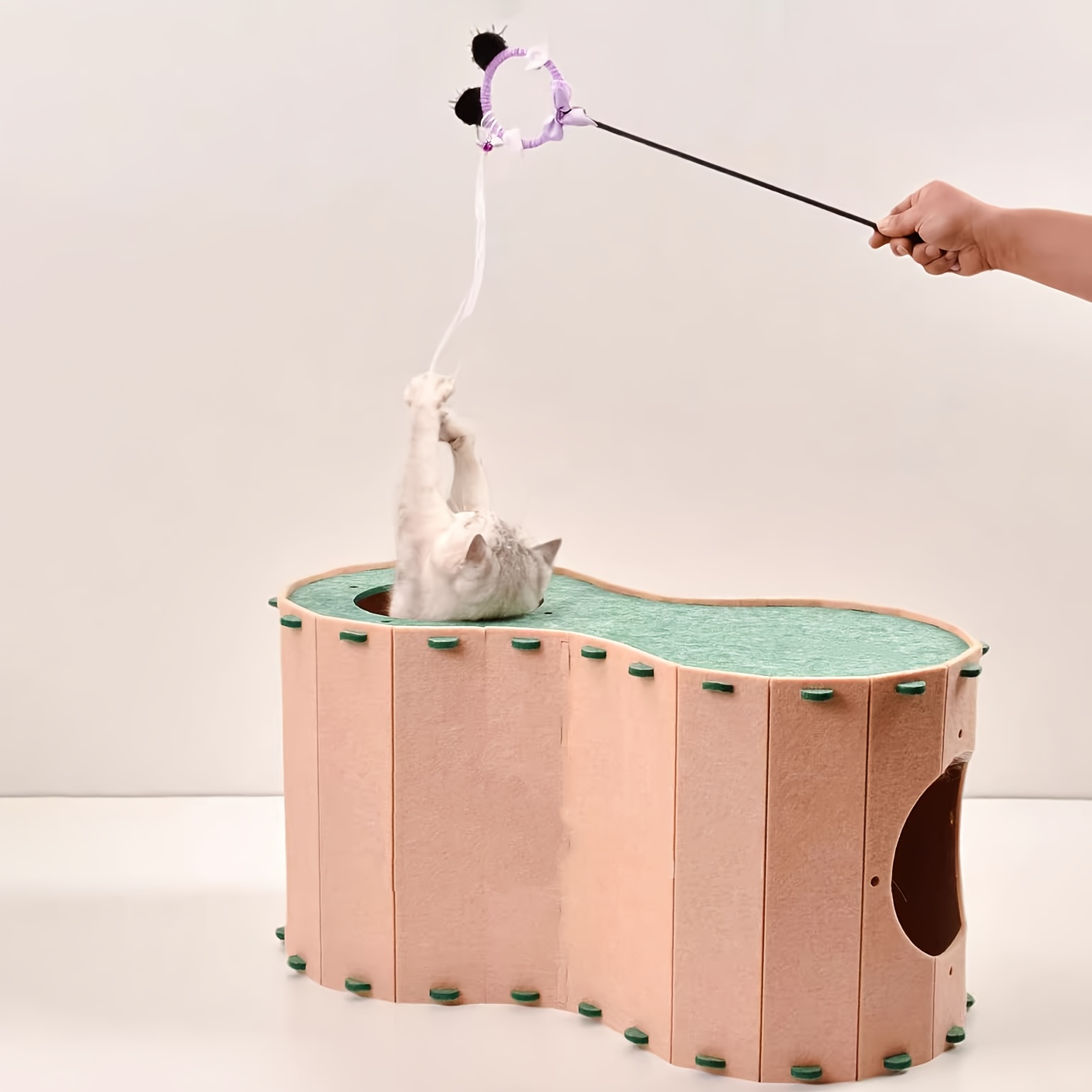
In the world of international trade, a product’s reputation is built on its longevity. For the professional B2B buyer, the "Ease of Maintenance" is a primary factor in inventory selection. An acoustic felt cat bed that remains pristine after months of use is a testament to the manufacturer’s quality and the owner’s care. Proper maintenance is not merely about hygiene; it is about protecting the Acoustic Integrity of the material. When fibers become clogged with dander or flattened by improper cleaning, the bed's ability to absorb sound diminishes. This article outlines a rigorous maintenance framework designed to keep our felt sanctuaries in peak condition for years.
The first line of defense in maintaining an acoustic felt cat bed is regular surface care. Because high-density felt is a non-woven matrix of fibers, it is exceptionally efficient at trapping loose fur and environmental dust.
Soft-Bristle BrushingFor daily maintenance, we recommend the use of a soft-bristle brush. This tool effectively lifts surface debris without agitating the underlying fiber structure. Brushing should follow the natural grain of the felt to prevent pilling. For B2B retailers, advising customers on this simple step can significantly extend the visual "newness" of the product, leading to higher satisfaction rates.
Vacuuming for Deep Fiber HygieneFor a deeper clean, a low-suction vacuum with an upholstery attachment is ideal. This removes micro-particles that have settled deeper into the acoustic air pockets. Maintaining clear air pockets is essential for the material's sound-dampening performance. This proactive approach prevents the buildup of allergens, making the bed a healthier environment for sensitive feline respiratory systems.
Inevitably, in a pet-centric household, spills or organic stains will occur. The key to successful removal without damaging the acoustic felt lies in the chemistry of the cleaning agent and the technique of application.
pH-Neutral SolutionsAcoustic felt, particularly when made from recycled rPET, is resilient but can be sensitive to harsh alkaline or acidic cleaners. We recommend a mild, pH-neutral detergent diluted in lukewarm water. This ensures that the fibers are cleaned without being stripped of their structural resilience.
The "Blot, Don't Rub" TechniqueWhen treating a stain, the most critical rule is to blot the area with a damp, lint-free cloth. Rubbing or scrubbing causes friction that can distort the fiber matrix and create a "fuzzy" patch on the bed's surface. By gently lifting the stain, the owner preserves the sleek, matte finish that defines the acoustic felt aesthetic. Sharing this technical advice with end-users is a hallmark of a professional, service-oriented brand.
Perhaps the most common error in maintaining felt pet furniture is exposure to high heat. While acoustic felt is durable, excessive temperatures from dryers or direct sunlight can cause the synthetic fibers to shrink or become brittle.
Natural Air DryingAfter cleaning, the cat bed must be allowed to air dry naturally in a well-ventilated area. This slow drying process ensures that the fibers settle back into their original configuration, maintaining the bed's shape and sound-absorption coefficient.
Environmental UV ProtectionWhile sunlight is a natural disinfectant, prolonged exposure to intense UV rays can cause the dyes in the felt to fade. We advise placing the bed in a shaded spot for drying. For distributors, emphasizing "Heat-Free Maintenance" in your product manuals is essential for preventing warranty claims related to structural warping or color loss.
For B2B partners, the structural integrity of the bed is a key quality marker. We encourage regular inspections of the bed’s edges, seams, and connection points (such as zippers or snaps).
Because cats are active and may engage in intense play or "kneading" within the bed, these connection points experience stress over time. If a seam begins to loosen, a simple repair can prevent a total failure of the structure. This level of attention ensures that the bed remains a safe sanctuary. By positioning your brand as an authority on "Structural Wellness," you demonstrate to your B2B clients that you are committed to the entire lifecycle of the product, not just the initial sale.
Acoustic felt is valued for its ability to hold architectural shapes without internal frames. However, improper handling—such as stacking heavy objects on top of the bed—can lead to deformation.
Owners should be reminded to maintain the "Tension" of the design. If a bed becomes slightly misshapen, it can often be "massaged" back into its original silhouette. For products that are shipped flat-pack, ensuring the end-user understands how to properly "pop" the bed into shape is vital for the initial out-of-the-box experience. This focus on shape preservation is what keeps the product looking like a piece of high-end furniture rather than a collapsed textile.
If the acoustic felt cat bed is not in use for an extended period, it must be stored correctly to prevent damage from moisture or pressure.
Dry and Ventilated StorageThe bed should be stored in a dry, cool, and well-ventilated space. High humidity can encourage the growth of mold within the fiber matrix, even in moisture-resistant materials. Using a breathable fabric dust bag is preferable to plastic, as it allows for air exchange.
Avoiding CompressionTo ensure the bed retains its ergonomic "Cocoon" or "Cave" shape, it should be stored in its expanded state or, if designed for flat-packing, stored flat without any weight on top. For the international wholesaler, providing storage guidelines helps your retail clients manage their back-stock more effectively, reducing the risk of "unsellable" damaged inventory.
While daily and spot cleaning are essential, a "Deep Clean" cycle should be performed every few months, depending on usage. This involves a more comprehensive wipe-down and the cleaning of any internal cushions or pads.
Acoustic felt beds often feature a "Modular Design," where the inner cushion can be removed. This allows for the cushion to be washed separately (often machine-washable) while the felt shell is maintained through more delicate methods. This dual-cleaning system is a major selling point for health-conscious owners who prioritize a sterile environment for their pets.
From a commercial perspective, a well-maintained product is a product that stays sold. One of the primary reasons for returns in the pet industry is a lack of understanding regarding product care.
By providing a detailed maintenance guide on your website and within your product packaging, you are:
Empowering the Retailer: Giving them the tools to answer customer questions accurately.
Enhancing Brand Perception: Showing that you care about the product's performance long after the transaction.
Minimizing Quality Disputes: Clear care instructions protect you from liability if a customer damages a product through improper cleaning (e.g., machine-washing a non-washable felt shell).
The Acoustic Felt Cat Bed is an investment in a cat's quality of life. By adhering to a professional cleaning and maintenance protocol, we ensure that this investment pays dividends in comfort, silence, and health for years to come.
For the B2B professional, the message is clear: Quality is maintained, not just manufactured. By educating your partners and end-users on the proper care of acoustic felt, you are securing the reputation of your brand as a leader in durable, high-performance pet furniture. Let us work together to ensure that every cat bed we ship remains a pristine, silent sanctuary—a warm and welcoming harbor for every feline companion.
Tel:+86 13426424820
Tel:+86 10 60211314